5 Sensory-Friendly Activities in Baltimore
June 5, 2026
June 5, 2026
COMING SOON—Our NEW Baltimore Learning Center! Learn More



Get expert advice on raising kids with autism, read personal stories, and explore insights from applied behavioral analysis (ABA) professionals.
FEATURED POSTS


Baltimore offers families many ways to explore museums, nature, and community spaces. For children with sensory sensitivities, the right setting can make a big difference. Quiet spaces, predictable environments, and opportunities for movement can help children feel comfortable while they learn and play.
Across Baltimore and surrounding communities in Maryland, families can find places that offer flexible experiences. Some provide dedicated sensory-friendly hours. Others offer calm outdoor settings or interactive exhibits that children can explore at their own pace.
Here are five sensory-friendly activities families in the Baltimore area often enjoy.

The Maryland Science Center sits along Baltimore’s Inner Harbor and gives children many ways to explore science through hands-on play. Three floors of exhibits invite kids to test ideas, build structures, and experiment with motion, energy, and the human body. The center also includes one of the region’s largest planetariums and a rooftop observatory used during special events. Many exhibits encourage open-ended discovery. Children can spin giant gears, experiment with water flow, or test simple machines while families move through the museum at their own pace.
Tip for families: Start on the upper exhibit floors and work your way down. These areas often feel quieter than the busy first-floor entrance and lobby.
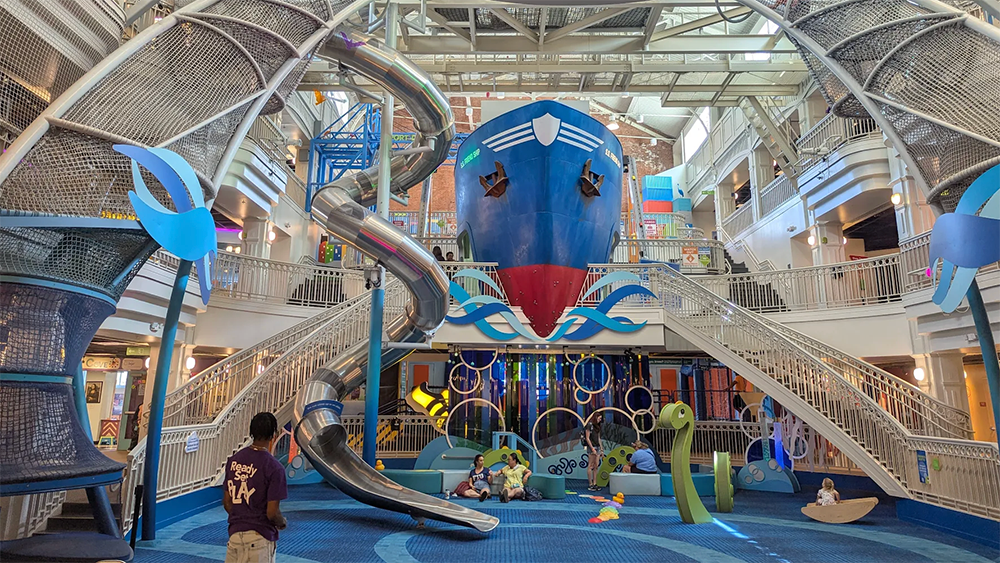
The Port Discovery Children’s Museum offers interactive spaces designed for young children to learn through play. Exhibits focus on art, building, storytelling, and physical movement. Children can climb the multistory SkyClimber, create projects in hands-on maker areas, and move between themed play spaces that encourage imagination and exploration.
Families can spend time in one area or move through the museum at a comfortable pace. The museum also schedules sensory-friendly play sessions during select times of the year. During these events, staff reduce lighting and sound levels and limit attendance so families can experience the exhibits in a calmer setting.
Tip for families: Visit the smaller themed exhibit rooms if your child prefers quieter activities instead of the large central climbing structure.

The Maryland Zoo in Baltimore sits inside historic Druid Hill Park and ranks among the oldest zoos in the United States. Families often begin at Penguin Coast, where African penguins swim and dive in a large open habitat. Nearby exhibits feature giraffes, zebras, and ostriches sharing the same outdoor environment. Throughout the day, zookeepers host short animal talks where children can watch feedings and learn about animal care.
Tip for families: Check the daily schedule for penguin or giraffe talks. These short programs give children a chance to see the animals during feeding time

The Irvine Nature Center in Owings Mills spans more than 200 acres of forests, meadows, and wetlands where children can observe wildlife and explore nature at their own pace. Inside the center, families can see live animal exhibits that feature native species such as turtles, snakes, and birds of prey. Outside, trails lead through fields and wooded areas where visitors often spot butterflies, frogs, and other local wildlife.
Tip for families: Start at the indoor exhibits before heading outside. Seeing the animals first often helps children stay engaged during a short nature walk.
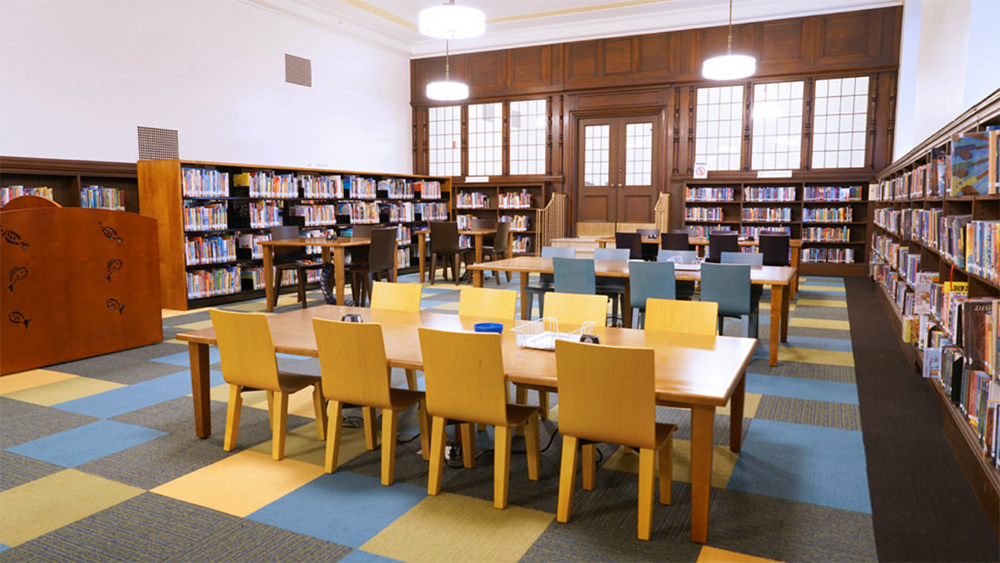
The Enoch Pratt Free Library system began in 1882 when Baltimore merchant Enoch Pratt created one of the nation’s first large free public library systems. Today, the central branch downtown includes a large children’s department where families can browse books, read together, and explore learning displays designed for young visitors. The library also hosts frequent family programs such as storytimes, science demonstrations, and author events that introduce children to new ideas in a calm setting.
Tip for families: Visit the central branch children’s department, which often sets up rotating activity tables with puzzles, crafts, or simple learning games.
Many of these destinations also host sensory-friendly events or quieter programming during certain times of the year.
If you are looking for additional support in Baltimore, Trellis offers applied behavior analysis (ABA) therapy for children with autism. Our clinical teams partner with families to build communication, social, and daily living skills that help children succeed at home, in school, and in the community.
Symbols help people communicate ideas quickly and create shared understanding. In the autism community, symbols have long been used to promote awareness, signal support, and encourage conversation. Over time, as understanding of autism has expanded through research, advocacy, and lived experience, the symbols used to represent autism have also evolved.
Today, there is no single image that represents every individual or family. Instead, a variety of symbols are used across schools, clinics, community organizations, and digital spaces. Exploring autism symbol history helps provide context for why different images exist and how they are used today across different settings.
This blog explores the history of autism symbols, the most commonly used imagery today, and best practices for choosing symbols that reflect dignity, inclusion, and respect for individuals with autism and their families.
The use of symbols to represent autism developed alongside early public awareness efforts. In the mid-20th century, autism was not widely understood, and outreach focused primarily on education and recognition. During this period, symbols were often used to introduce the public to autism and provide a visual reference point for learning and discussion.
As research advanced and diagnostic criteria became more clearly defined, autism awareness expanded beyond clinical settings. Symbols began appearing in educational materials, fundraising campaigns, and community events. Over time, these visuals became familiar to families, educators, and service providers and played a role in shaping early autism education efforts.
Understanding autism symbol history means recognizing that these images reflect the knowledge, language, and priorities of the time in which they were created. As conversations around autism have continued to grow and change, new symbols and designs have emerged to reflect evolving perspectives on inclusion, accessibility, and quality of life.
The puzzle piece is one of the earliest and most widely recognized symbols associated with autism. First introduced in the 1960s, it became closely associated with early autism education and public awareness efforts at a time when understanding of autism was still emerging.
Over the decades, the puzzle piece appeared in informational materials, advocacy campaigns, and community programs, becoming a familiar autism awareness symbol for many families, educators, and service providers. For some, it represents early recognition and the growth of autism-related resources and services.
Today, the puzzle piece continues to appear in certain contexts, often paired with language that emphasizes respect, support, and inclusion. As with any symbol, its meaning is shaped by how it is used, the audience it serves, and the values communicated alongside it.
Key considerations when using autism symbols include:
In addition to historically recognized imagery, many other symbols are commonly used to represent autism and the autism spectrum. These designs often emphasize individuality, diversity, and connection.
The rainbow infinity symbol is frequently used to represent the wide range of experiences across the autism spectrum. Its continuous shape reflects lifelong identity, while its colors highlight diversity and individuality.
Gold imagery, based on the chemical symbol “Au,” is often used in autism-related visibility efforts. Gold themes may appear in ribbons, pins, graphics, and educational materials and are commonly associated with recognition and community connection.
Abstract spectrum designs use gradients, flowing shapes, or geometric patterns to reflect variation and uniqueness. These visuals are often used in digital platforms and educational resources.
Heart symbols and community-focused imagery are commonly used to express care, support, and connection. These designs highlight relationships and shared understanding.
There is no single official autism awareness symbol. Many organizations and families choose imagery that aligns with their values, audience, and goals.
Symbols influence how messages are received and understood. In autism-related education and outreach, they can help promote awareness, encourage conversation, and signal support.
Autism symbols are frequently used during awareness and recognition efforts—particularly in April—across social media, schools, clinics, workplaces, and community events. When an autism awareness symbol is paired with clear explanations and meaningful actions, it can reinforce messages of respect, accessibility, and inclusion.
Symbols are most impactful when they are supported by inclusive practices and real-world efforts to support individuals with autism and their families.
Choosing autism symbols thoughtfully helps ensure they communicate the intended message clearly and respectfully.
Including individuals with autism and family members in discussions about imagery provides valuable insight and helps ensure materials are relevant and respectful.
Determine whether your goal is education, awareness, or community support. Your purpose should guide symbol selection and messaging.
Symbols should be paired with language that emphasizes dignity, strengths, and access to support rather than focusing on limitations.
Ensure materials are accessible by using high-contrast colors, readable fonts, alt text for images, captions for videos, and clear layouts.
Imagery should be connected to tangible efforts such as training, accommodations, educational resources, or partnerships.
Different environments—schools, clinics, workplaces, and digital platforms—may require different approaches to imagery and messaging.
Symbols are most effective when they are part of broader efforts to support understanding and inclusion.
Schools can introduce symbols alongside age-appropriate explanations and pair them with inclusive teaching strategies, sensory-friendly options, and staff training.
In clinical settings, autism symbols should align with respectful, family-centered care. Imagery can help create welcoming environments and support clear communication about services.
In workplaces, symbols can signal inclusive values when paired with flexible policies, clear communication practices, and accessibility accommodations.
Across all settings, explaining what a symbol represents and how it connects to meaningful support helps reinforce trust.
Symbols are only one part of how autism is represented. Language and visuals together shape understanding. Thoughtful wording helps ensure messages reflect dignity, autonomy, and respect.
Is there one official autism awareness symbol?
No. Multiple symbols are used today, and choice often depends on audience, setting, and purpose.
Why do different organizations use different symbols?
Symbol selection reflects organizational values, goals, and the communities being served.
What colors are commonly used in autism symbols?
Rainbow palettes emphasize diversity, gold imagery is commonly used in awareness efforts, and high-contrast designs support accessibility.
Can symbols be combined?
Yes. Combining design elements can help personalize materials while remaining inclusive and clear.
How can symbols support inclusion beyond awareness?
When paired with education, accessibility, and supportive practices, symbols help promote understanding and meaningful inclusion.
By choosing autism symbols thoughtfully, society can communicate dignity, belonging, and meaningful support for individuals with autism and their families.
Looking for support that goes beyond awareness? At LEARN, we believe inclusion is reflected in the care, partnership, and progress we build with families every day. Learn more about our compassionate autism care and how we support children and families across our communities by visiting our website.
For families raising children on the autism spectrum, even a simple outing can require thoughtful planning. Crowds, loud noises, flashing lights, and unpredictable environments can sometimes turn a fun afternoon into a stressful one.
That’s why sensory-friendly places are so important. These are spaces that intentionally reduce overstimulation. They may offer quieter hours, lower lighting, flexible rules, or calming tools like fidgets and noise-canceling headphones. Some locations also provide staff trained in supporting children with sensory processing differences and access to quiet rooms where kids can take a break.
In and around Timonium, just north of Baltimore, families will find several welcoming options. From museums and libraries to indoor play centers and nature spots, the region is gradually becoming more inclusive for kids who benefit from calm, structured, and sensory-considerate spaces.
Here are five places in the Timonium area that offer sensory-friendly experiences for families.
BeeZee Sensory Gym in Timonium is a quiet, well-designed space where kids can move at their own pace. There’s soft lighting, padded equipment, and spots to take a break if things feel too busy. Staff understand sensory needs and keep the environment flexible, whether your child wants to swing, climb, or just sit and watch.
Tip for Families: Bring socks for both you and your child, and pack a favorite snack or comfort item. It’s a good spot for easing into new routines, especially if your child needs time to warm up before jumping in.
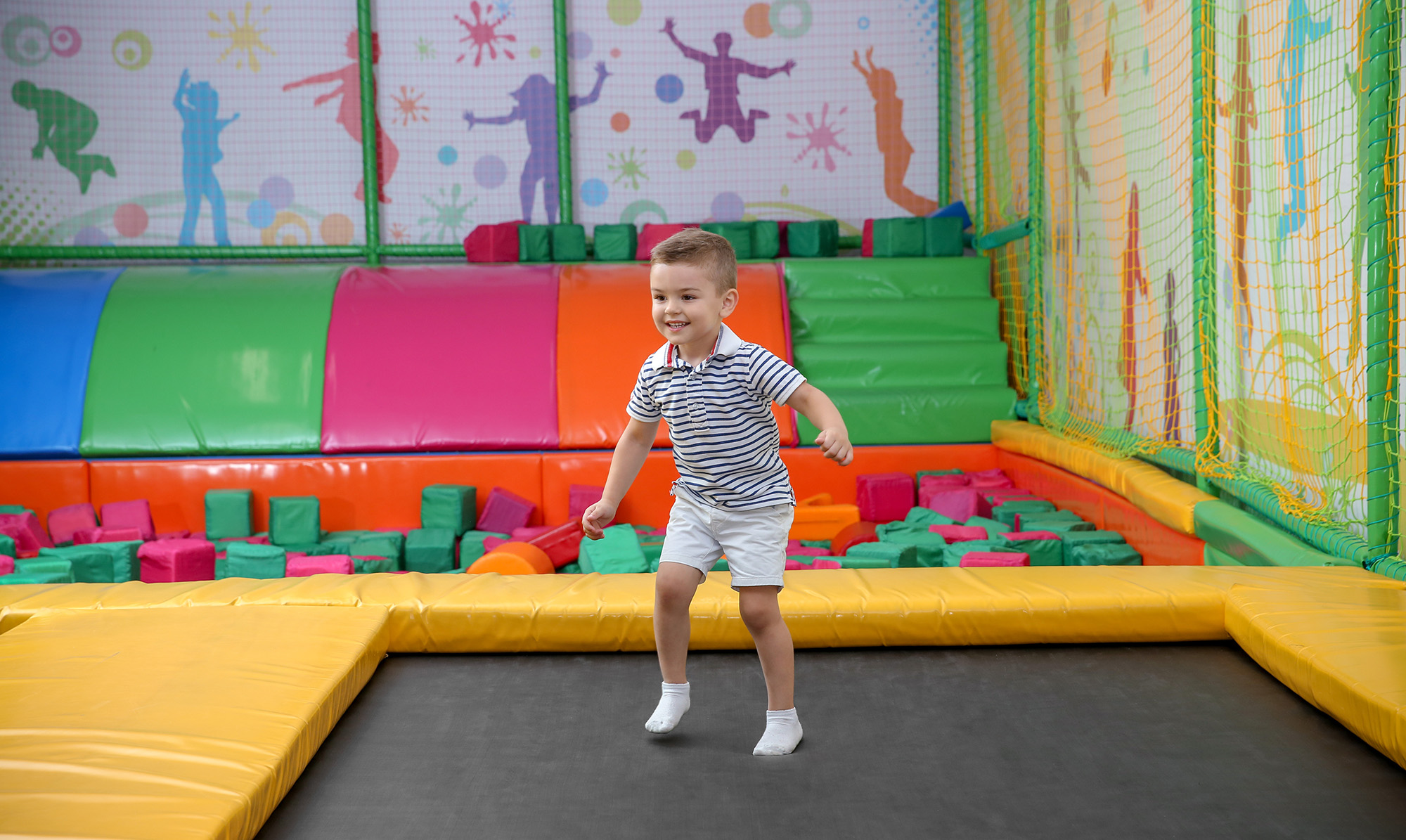
Sky Zone in Timonium occasionally hosts Sensory Hours, setting aside time for kids who do better with fewer people, steady lighting, and no blaring music. It’s still the same trampoline park, just a little quieter and easier to enjoy for kids who need a more predictable space to move and play.
Tip for Families: Call ahead to confirm when Sensory Hours are scheduled. They aren’t always listed online. Arrive early if you can, so your child has time to get comfortable before others arrive. Don’t forget water and socks.
Just a few minutes from Timonium, the Cockeysville Library is a calm, open space that works well for kids who might get overwhelmed in noisier settings. They offer sensory-friendly storytimes throughout the year, with soft lighting, visual schedules, and a slower pace. The children’s area has plenty of room to spread out, and quiet corners where kids can take a break. Librarians are helpful and can point you to books about emotions, friendships, or whatever your child is working through.
Tip for Families: Check the library’s calendar online before you go. Sensory-friendly storytimes aren’t weekly. Bring a comfort item or headphones just in case it’s busier than expected, and don’t be afraid to ask staff for help finding a quiet spot or the right kind of book. They’re used to it.
If indoor spaces feel like too much, Oregon Ridge Nature Center is a good reset. It’s just a short drive from Timonium and has quiet trails, wide open space, and a low-key nature center with hands-on exhibits. The trails are short, mostly flat, and manageable for kids who need to move at their own pace or stop and look at every stick along the way.
Tip for Families: Go early to avoid school groups, and pack water, sunscreen, and a snack. If transitions are tough, let your child know ahead of time when you’ll head to the car. There aren’t many natural stopping points, so having a plan helps.
We Rock the Spectrum in Forest Hill is an indoor playground about a half-hour from Timonium. It’s worth the drive if your child does best in spaces built with sensory needs in mind. The gym has swings, crash mats, climbing equipment, and a zip line, plus a quiet room if things get too overwhelming. It’s a space where kids can move how they need to, without having to explain anything.
Tip for Families: Call ahead to ask when it’s usually less busy. Weekday afternoons are often quieter.
Families shouldn’t have to skip community outings because of sensory overload. These five destinations offer environments where children with sensory sensitivities can engage, explore, and play in ways that feel comfortable and safe.
For more ideas, visit our LEARN Behavioral blog on 5 simple play ideas to try at home or in your community.
Looking for personalized support for your child in Timonium or the greater Baltimore area? At Trellis, a division of LEARN Behavioral, we provide contemporary applied behavior analysis (ABA) therapy, tailored to each child’s unique needs, strengths, and personality. Learn more about our services in Maryland and contact us today.
If your child has an individualized education program (IEP), the start of a new school year can bring both excitement and a long to-do list. Between fresh school supplies and new routines, it is also the best time to revisit your child’s plan, build strong relationships with the school team, and set up supports for success.
Here are practical ways families, schools, and providers can work together to make the most of the year ahead.
Read your child’s IEP from start to finish. Generally, the IEP from the last school year covers the start of the following year. Review the IEP from the last meeting. Refresh yourself on key details, such as:
Sometimes, it can take a few weeks for schools to get services scheduled, but accommodations should be available and honored at the start of the year. For example, assistive technology should be in place. If any part of your child’s IEP is unclear, ask the school for clarification. Use plain language when talking about goals and services so everyone (teachers, aides, and your child) understands what your child’s plan includes.
An IEP works best when parents, providers, and teachers share the same vision. Early in the year:
Consistent communication helps prevent misunderstandings.
Transitions, such as moving between activities, classrooms, or grades, can be tricky for kids on the autism spectrum. Work with the school to:
When everyone knows what is coming next, children can adjust more easily and with less stress.
Do not wait for the annual IEP meeting to check progress. Schedule regular updates with the school and share notes from any outside providers, such as applied behavior analysis (ABA) therapists.
If you notice your child struggling with a goal, request a meeting to adjust supports or strategies. Early changes can help keep your child on track.
Federal law gives children with disabilities the right to a free, appropriate public education, including special education and related services that meet their individual needs.
If you are unsure about your child’s rights, connect with a local advocacy group or parent organization. They can walk you through the process, join you for meetings, and help you get the support you need.
IEPs are most successful when everyone works together. That includes parents, school staff, and providers. At LEARN Behavioral, we partner with families and schools to apply evidence-based ABA strategies that help children build skills, reach their goals, and thrive in and out of the classroom.
Our team at LEARN Behavioral can work alongside you and your child’s school to help create a plan that meets their unique needs. Contact us today to learn how we can partner with you to set your child up for success.
New classrooms. New routines. New sounds. The start of school brings big changes, especially for kids on the autism spectrum.
Predictability, preparation, and strong communication between home and school can help make the transition smoother. Use these tips to support your child during the first months of school and throughout the fall.
Children often do best when their days are predictable. Set a consistent wake-up time. It’s best to start this a week or two before school starts, and try not to deviate too much on weekends. Also set a breakfast routine and after-school schedule. Use a visual checklist so your child can follow each step. Small changes, like keeping the same breakfast spot or packing the backpack the night before, can make mornings calmer.
Why it works: Predictable routines help reduce anxiety, build independence, and make transitions smoother.
Schools can be loud, bright, and busy. Think about what helps your child feel calm and focused. You might pack noise-reducing headphones, a favorite fidget, or sunglasses for bright hallways. Talk with the teacher about when and how your child can use these tools.
Why it works: Supporting sensory needs helps your child stay engaged and comfortable throughout the day.
Choose a simple way to share updates, like a daily note, short emails, or a communication app. If your child has an individualized education program (IEP), review it together early in the year. Make sure supports are in place not only in the classroom but also during lunch, recess, and specials like art or gym.
Why it works: Strong home-school communication helps address challenges quickly and celebrate progress.
A little rehearsal can make school tasks less overwhelming. Practice opening lunch containers, lining up, or asking for help. Role-play transitions, such as moving from recess back to the classroom, so your child knows what to expect.
Why it works: Familiarity with daily tasks builds confidence and reduces stress in new situations.
If your child loves animals, superheroes, or trains, look for ways to bring those interests into schoolwork. Share ideas with the teacher, who may be able to use them to spark engagement during lessons.
Why it works: Connecting learning to favorite topics makes participation more enjoyable and motivating.
The school day can be demanding, so give your child a set time to unwind after getting home. This could mean quiet play, outdoor movement, or calming sensory activities. Hold off on homework until your child feels settled.
Why it works: Time to recharge helps your child recover from the day and prepares them for the evening.
The first months of school set the tone for the year. With steady routines, sensory supports, and strong connections with teachers, your child can feel secure, capable, and ready to learn.
At LEARN Behavioral, we partner with families to help children on the autism spectrum succeed at school and beyond. Our team can work with you to build skills, strengthen communication, and support learning both at home and in the classroom.
Connect with our team today to find services in your area and learn how we can help your child thrive this school year.
For many families raising a child with autism, one of the biggest fears is a child slipping away. That might mean walking out the front door, leaving the playground or disappearing into a crowd. This behavior, often called “wandering” or “elopement,” can happen in a matter of seconds. It’s more than stressful. In some cases, it can be life-threatening.
Summer brings even more opportunities for this to happen. Routines shift, outings increase, and kids are often near water, one of the biggest safety hazards for children with autism. Understanding why wandering happens and how to prevent it can help families stay prepared and safe.
Wandering happens when a child leaves a safe place without permission or supervision. This can include leaving home, school, a playground, or a caregiver in public.
In children with autism spectrum disorder (ASD), it’s especially common. A 2012 study in Pediatrics found that nearly half of children with autism had tried to wander or run away at least once after age 4. Of those, 26% were missing long enough to cause concern.
The reasons vary. Some children may seek out a place they enjoy, such as water. Others may run to escape overwhelming sounds, sights, or situations. But no matter the cause, the risk is high.
Wandering can happen any time of year, but summer adds new layers of risk. Families are more likely to be out of their routines, exploring new places, or visiting pools, lakes, and beaches. New environments can be exciting, disorienting, or overstimulating for kids with autism.
Water presents the greatest danger. According to the National Autism Association, accidental drowning accounted for 71% of all deaths resulting from wandering in children with autism under age 15.
And it can happen fast. The Centers for Disease Control and Prevention (CDC) reports that it takes as little as 20 seconds for a child to drown.
Many families aren’t told about wandering risks when their child is first diagnosed. But there are proactive steps that can help reduce danger.
Swim lessons are one of the most effective strategies. Some insurance plans may cover swim lessons for children with autism as part of behavioral treatment. Read more in Why Swimming and Water Play Benefit Kids with ASD.
Families can also partner with a board certified behavior analyst (BCBA) to teach safety skills. BCBAs can support children in tolerating wearable tracking devices, reducing bolting behaviors, and recognizing safe adults or “community helpers.”
Not every child with autism wanders. But for those who do, preparation can save lives.
Summer outings should be fun, not stressful. These 4 Steps to Swim Safety for Your Child with Autism offer practical tips families can use right away.
For more information on wandering and autism safety planning, visit the National Autism Association’s Big Red Safety Toolkit.
Finding activities that work for kids with autism isn’t always easy. Many children on the autism spectrum experience sensory sensitivities, meaning certain sounds, lights, textures, or crowded spaces can feel overwhelming. That’s where sensory-friendly activities come in.
Maryland has a variety of inclusive spaces that accommodate sensory needs. From nature preserves to indoor play spaces, Waldorf offers opportunities for families looking for low-stimulation, welcoming environments.
For families on the autism spectrum, “sensory-friendly” means places with quieter settings, softer lighting, and predictable experiences. These thoughtful adjustments can help kids feel calmer and allow them to enjoy activities without stress.
Sensory-friendly spaces also provide relief for families, offering a sense of connection and support within the community.
Here are five sensory-friendly activities in Waldorf that you and your family can try.
Cedarville State Forest is a great spot for kids who love quiet, outdoor spaces. The park features gentle walking trails, picnic areas, and peaceful surroundings. The sounds of birds and rustling leaves create a calming atmosphere for sensory-sensitive children.
Bring binoculars for birdwatching, or take a nature walk at your own pace. The slower, predictable environment makes it an excellent choice for kids who may find more structured activities overwhelming.
Tip for Families: Visit on weekdays or early mornings to avoid crowds. Pack water, sunscreen, and comfortable walking shoes.
The Charles County Public Library’s Waldorf West branch offers a dedicated sensory room designed for children with autism and other sensory needs. The space includes soft lighting, tactile objects, and interactive activities that promote relaxation and engagement.
The library also hosts sensory story times where kids can enjoy books and activities in a welcoming, low-stimulation setting.
Tip for Families: Check with the library staff about sensory-friendly events or times when the room is less crowded.
My Gym Waldorf offers special sensory-friendly play sessions where kids can enjoy structured and free-play activities tailored to their needs. With soft play equipment, obstacle courses, and gentle music, children can participate at their own comfort level.
These sessions provide a safe, understanding environment where kids can engage in physical activity without feeling overwhelmed.
Tip for Families: Call ahead to confirm sensory-friendly play hours and reserve a spot. Bring comfortable clothes and water.
Sky Zone, 3 miles away in nearby White Plains, offers special sensory hours where the music is turned down, flashing lights are off, and the atmosphere is more relaxed. Kids can jump, climb, and play in a controlled environment designed for those with sensory sensitivities. Staff members are trained to accommodate different sensory needs.
Tip for Families: Check the schedule in advance, as sensory hours typically occur on specific days. Arrive early to get familiar with the space before jumping in.
If you are willing to take a bit of a drive, We Rock the Spectrum could fill a day. It’s about 58 miles from Waldorf in Gaithersburg. Here,’ you’ll find an inclusive indoor gym specifically designed for children of all abilities. The facility features swings, crash mats, a calming room, and sensory-friendly equipment that helps kids develop motor skills while having fun in a safe and supportive space.
It’s a great option for families looking for an indoor play area that caters to children on the spectrum.
Tip for Families: Visit during non-peak hours for a quieter experience. The gym also offers open play times and private sessions.
Check out our LEARN Behavioral blog on 5 simple play ideas for more sensory-friendly ideas.
Looking for additional support for your child in Waldorf, MD? At SPARKS, we use science and data to deliver contemporary applied behavior analysis (ABA) therapy, tailored exclusively to your child’s unique needs, behavior, and personality. Learn more about our services in the Waldorf area and contact us today!
When it comes to careers in the field of autism therapies, understanding the distinct roles of the professionals involved is crucial.
Two key positions in this field are registered behavior technicians (RBTs) and board certified behavior analysts (BCBAs). While both play essential roles in delivering effective therapy, they differ significantly in their responsibilities and qualifications. Learn about RBT vs BCBA salaries, roles, and more below.
The role of an RBT is an entry-level position in the field of autism therapy. RBTs provide direct therapy to people with autism under the supervision of a BCBA.
To become an RBT, you must complete a 40-hour RBT certification, meaning a training program covering essential topics such as behavior management, data collection, and ethics. You must also pass a competency assessment and undergo a background check. At LEARN, we provide thorough behavior technician training and ongoing support for all BTs and RBTs.
RBTs work with behavior intervention plans, collect data on client progress, and keep clients safe during therapy sessions. They play a vital role in teaching and reinforcing new skills, promoting independence, and reducing behaviors that interfere with growth and learning. RBTs work closely with BCBAs, following their guidance and reporting progress and challenges observed during therapy sessions.
A BCBA is a highly trained professional who specializes in assessing, designing, and using behavior intervention programs for people on the autism spectrum.
To become a BCBA, you must hold a master’s degree in behavior analysis or a related field such as psychology or education. Additionally, you must complete a defined number of supervised fieldwork hours and pass the BCBA certification exam administered by the Behavior Analyst Certification Board (BACB)®.
BCBAs are responsible for conducting assessments to identify the needs and goals of people on the autism spectrum. Based on these assessments, they develop behavior intervention plans tailored to each person’s unique needs.
BCBAs also provide training and support to other professionals, caregivers, and educators involved in the person’s treatment. BCBAs offer ongoing supervision and oversight to RBTs and other behavior therapy staff, and they make necessary adjustments to optimize outcomes.
BCBAs collaborate with other professionals, such as speech language pathologists, occupational therapists, school staff, and case managers to provide comprehensive care for people with autism.
Here are the key differences in terms of educational qualifications, scope of practice, and career opportunities for a BCBA vs RBT:
Both RBTs and BCBAs play important roles in autism therapy, complementing each other to provide comprehensive support and intervention for individuals with autism. Understanding these RBT vs BCBA roles can help you make informed decisions about your career path in this rewarding field. To learn more about behavior technician jobs and ABA career opportunities available at LEARN, visit our careers page.
When pursuing a career in autism therapy, it’s essential to understand the qualifications and roles of professionals in the field.
Two key titles you will encounter are known as board certified behavior analysts (BCBAs) and board certified assistant behavior analysts (BCaBAs). Though they sound similar, they have distinct differences.
The main difference between the BCaBA vs BCBA titles is the level of education and supervision required for each. Let’s explore more about each role.
The titles “BCaBA” and “BCBA” are the two main certifications in the field of applied behavior analysis (ABA) therapy. That may sound like a lot of alphabet soup, but let’s break it down:
The roles also require a different level of supervision.
There is a difference between BCBA and BCaBA coursework required. To become a BCBA, coursework covers ABA therapy for autism, ethics, measurement, experimental design, and behavior assessment. Additionally, candidates must complete supervised fieldwork and pass the BCBA exam.
For BCaBA certification, a minimum of a bachelor’s degree in behavior analysis, education, or a related field is required. Like the BCBA, candidates need coursework in ABA, ethics, measurement, experimental design, and behavior assessment. They also need to complete supervised fieldwork and pass the BCaBA exam.
Both certifications require continuing education to stay up to date with the latest advancements in the field.
BCaBAs and BCBAs both work with people who have developmental disabilities, such as autism, to help them change their behavior and lead more fulfilling lives.
These professionals use scientific approaches such as ABA therapy. They work in a variety of settings, including schools, homes, learning centers, and the community.
BCaBAs and BCBAs conduct assessments, develop individualized treatment plans, and work with families who have kids on the autism spectrum.
Supervision requirements and levels of autonomy differ between BCaBAs and BCBAs. BCBA candidates need a minimum of 1,500 hours of supervised experience, including at least 75 hours of face-to-face supervision from a qualified BCBA. BCaBA candidates require 1,000 hours of supervised experience, with at least 50 hours of face-to-face supervision.
One difference between a BCaBA and BCBA is that BCBAs generally have more autonomy, conducting assessments, developing behavior plans, and directly supervising others. BCaBAs, while crucial in treatment, work under a BCBA’s guidance, using behavior plans and collecting data. Together, they use evidence-based interventions tailored to each person’s needs.
Career prospects for BCBAs and BCaBAs are promising, driven by the growing demand for autism therapies. BCBAs can work in schools, clinics, and private practices, often holding supervisory roles and conducting assessments.
Both roles offer advancement opportunities. BCBAs can pursue advanced certifications like BCBA-D, leading to higher-level positions and research opportunities. BCaBAs can gain experience, pursue higher education, and take on more responsibilities, such as supervising other BCaBAs.
Specializations within behavior analysis — such as early intervention or verbal behavior — allow professionals to focus their expertise and advance their careers. Staying informed and pursuing ongoing professional development can lead to successful and fulfilling careers in autism therapies.
Across the country, BCBA salaries typically range from $55,000 to $85,000 per year, influenced by experience, location, and work setting. BCaBAs earn between $35,000 and $55,000 per year, with similar influencing factors.
Geographic location, level of experience, specialization, and work setting all affect BCBA vs BCaBA salary levels. BCBAs and BCaBAs working in educational institutions or private clinics may earn higher salaries compared to those in nonprofit organizations.
While BCaBAs earn lower salaries, they play a crucial role in providing behavior analysis services under BCBA supervision. Ultimately, career goals, desired responsibility level, and commitment to professional development should guide the choice between these positions.
If you’re seeking a career in autism therapy, both roles are crucial positions. You can start at one level and work your way up through education and experience. It’s common for people to earn an assistant certification before working toward becoming a BCBA.
Many BCBAs first earn a bachelor’s degree in psychology, education, or ABA, then pursue a master’s degree in ABA or a related field. The job growth rate for BCBAs is projected to be 8 percent from 2020 to 2030, which is faster than average for psychologists.
To learn more about BCBA or BCaBA job opportunities available at LEARN, visit our careers page.
Play is an essential part of working with children with autism in ABA.
As a behavior technician (BT), play helps build trust and comfort between you and your client. That process starts with play, having fun, and being a kid. Getting your clients in a state of play builds this foundation for trust, which we refer to as “rapport.” When starting to work with a new client, your supervisor and/or client’s caregiver will provide you with some of your client’s special interests and activities. You can incorporate these into your sessions to make learning fun and personalized. Using rapport in combination with their preferred activities leads to successful pairing with your client.
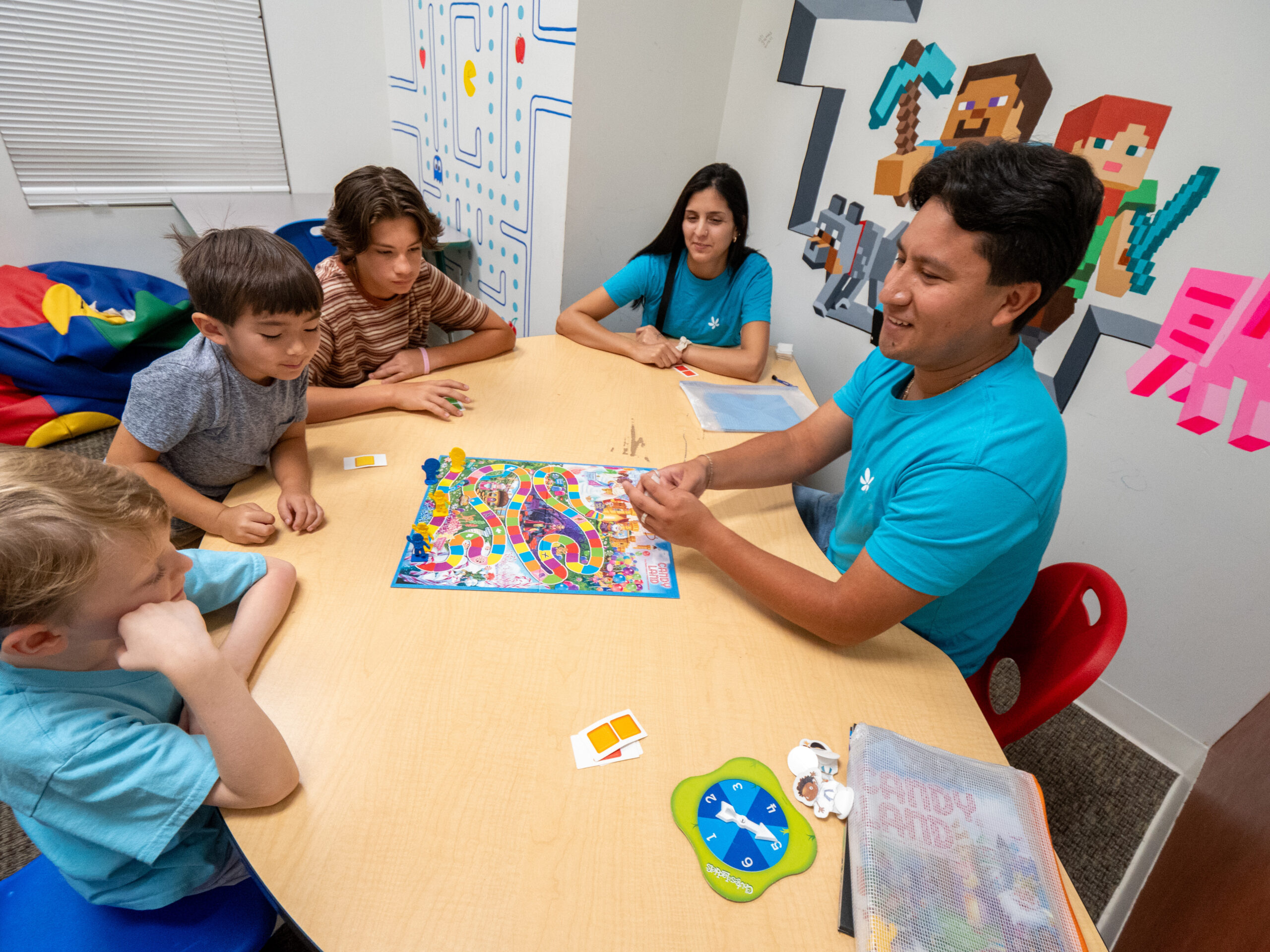
In a Learning Center setting, for example, your supervisor may suggest activities such as playing with toys or board games or interacting with peers. Your client may quickly find interest in a Learning Center toy, game, or other activity without prompting. But, if your client doesn’t give you a direct response, give them choices based on what you know about them. For example, say “We can play with train tracks or do a puzzle. What would you like to do?” Give them different choices until they choose something.
As soon as they give you an answer or show signs of interest in something, reinforce the toy or activity by showing interest in it yourself, e.g., clapping or showing praise. In my experience, this part of the pairing process varies. Sometimes it may take a while for a client to warm up in a social environment. Other times, it happens quickly. It just depends on the individual. As a BT, this process teaches you to be patient. When you find out what interests your clients, it makes pairing with them in sessions more fun.
Playing and pairing as a BT is essential because it creates opportunities for natural environment teaching (NET). Playing with your clients encourages an environment in which they’re motivated to participate.
In my first week working with a client, we played Memory*, a matching game. This was the first time we actively played together, and I saw him deeply engaged in an activity. I learned that he has a great memory, making the game more engaging for both of us. He became more receptive to responding once his attention was directed toward the game. Playing the game created opportunities to reinforce his behavior like waiting his turn, following the rules, and using his words when he had questions. This was essential to pairing early on in our tech-to-client relationship.
Playing Memory aided me in building rapport with my client. It built trust and comfort that’s pertinent to his learning environment. I could tell he was having a good time and vice versa. This environment motivated my client to learn. He enjoyed engaging in the fun activity with me and a group of peers. Participating in group games encourages patience, following instructions, and communication between clients.
Gaining your client’s trust before you place any demands is key. They are less likely to listen to you if they don’t know who you are. That’s why it’s important to take the time to play and pair with your client and show them that you’re safe and fun to be around.
Learning to play with your clients teaches you their interests. It shows you their likes and dislikes. It also points you to different games or activities in the Learning Center or teaching environment that may trigger them. Knowing their interests allows you to identify their reinforcers and see behavior patterns that their board certified behavior analyst (BCBA) can implement into future programming.
Playing can be a lot of fun for BTs. There are several Learning Center games and activities that I enjoy implementing during sessions. I do my best to engage clients in activities that we mutually like. Once we find something we both enjoy, it doesn’t feel like work.
It’s rewarding to see clients make progress on their goals. Seeing them motivated to work for their preferred activities is also reassuring. This sense of accomplishment reinforces your work as a BT and motivates a continued state of play of learning and developing communication skills.
Incorporating play into your sessions fosters meaningful connections and creates a fun and engaging environment. It builds the foundation of trust between the client and their BT. We get to play an important role in each client’s learning and development. We can help nurture each child’s unique potential through dedication – one game at a time.
Additional Resources:
*Other games for pairing with a client can be found in the Play and Learning Addendum, 2.