
Easing Your Child Back Into Life Post-Pandemic

by Ronit Molko, Ph.D., BCBA-D
Strategic Advisor, LEARN Behavioral

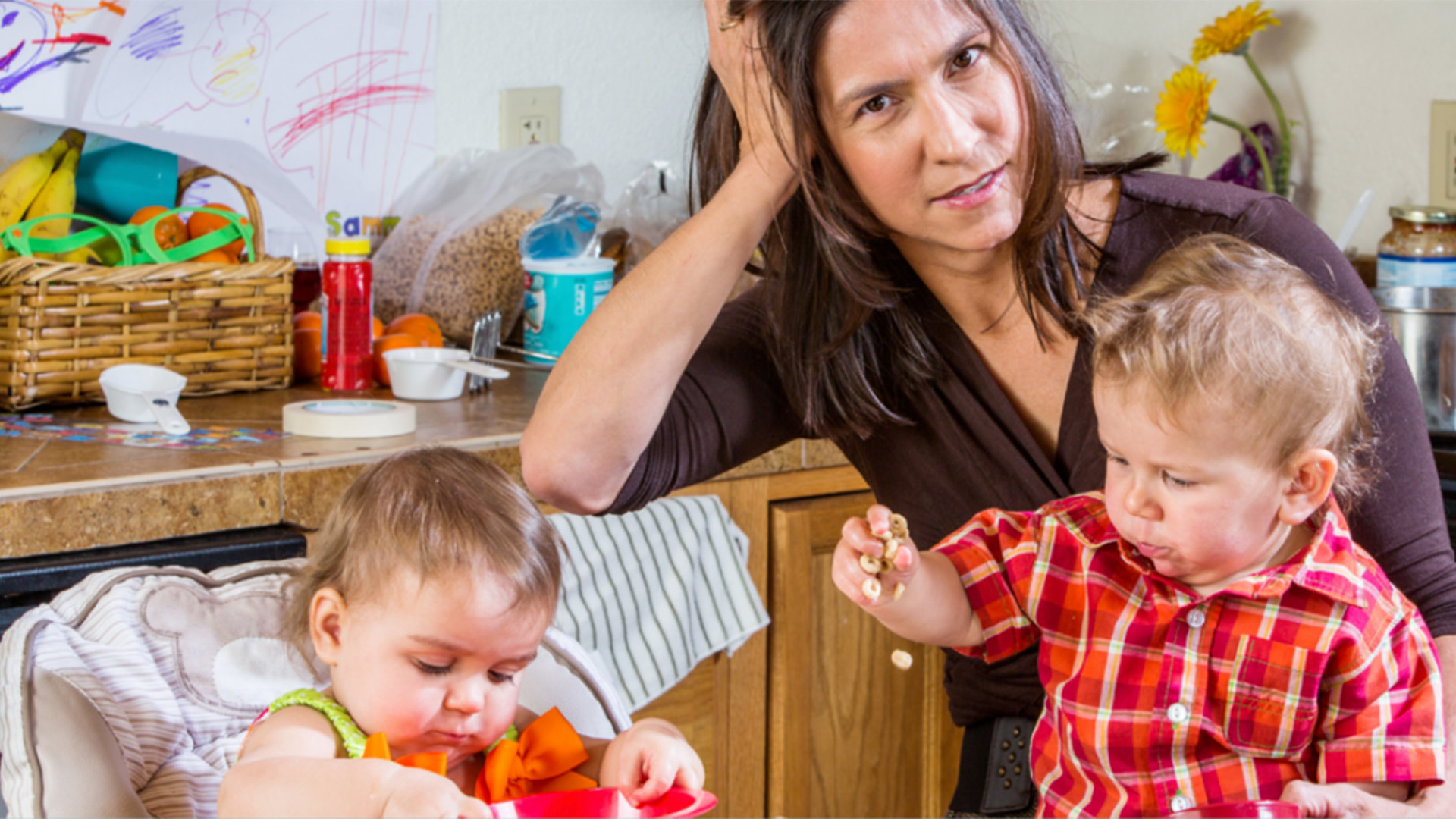
If the last 16 months have taught us anything, it’s that the only constant in life with COVID-19 is change. And while the persistent evolution of information and safety protocols has left many with a severe case of whiplash, its impact on children has been even more profound—particularly for those with autism. Now, as more Americans receive their vaccinations, and more of the country begins gradually reopening, our children are set to face yet another daunting upheaval: returning to normal life, or adapting to a “new normal.”

This will be easier said than done, however. Depression and anxiety among children have skyrocketed since the beginning of the pandemic, and the prospect of reentering a “normal” society will do little in the way of alleviating that anguish. For children with autism, the sudden reentry into everyday socialization may seem downright terrifying. Children are incredibly resilient by nature, but as we begin to take these first baby steps back toward the lives we used to know, it’s imperative to remember that when it comes to our children’s mental well-being, they’re not out of the woods just yet.

What follows are some strategies you can use to help ease your child into a post-pandemic life.

Structure, Schedules, and Routines

It’s not an overstatement to say that COVID-19 took a wrecking ball to the structure, routines, and cues children had spent a lifetime developing. Activities like school, sports, and outdoor playtime were forced to take a back seat, in favor of safer but more sedentary options like TV, gaming, and, hopefully, reading. And while many parents will feel a natural urge to thrust their children back into the recreational activities they enjoyed pre-pandemic, it will be important not to throw them into the deep end before they feel ready. This is especially true for children on the autism spectrum, who can feel overwhelmed by sudden, unexpected change.

How, then, can you help your child adjust to our sudden “new normal”? Start small. Try reestablishing daily and weekly household routines, such as mealtimes, cleaning schedules, and, of course, play time. Planning small outings to places like a local park will not only help get kids out of the house but also help refamiliarize them with learned social concepts in a comfortable, low-stress environment.

Communicate with Your Kids

Some children will initially feel reticent to exit the cozy, slower-paced lifestyles they’d grown accustomed to over the last 16 months. Others may feel anxious to reengage with high-stress social environments after a year of isolation. Understanding what your child is feeling will be crucial. For children living with depression, anxiety, or autism, too much, too fast, too soon may only worsen their anxiety.

Make it a point to have regular conversations with your child about their mental health space, and what activities they might feel comfortable, or uncomfortable, participating in. This will help foster a relationship of mutual trust and understanding, and provide your child with a sense of agency they may have been lacking over the previous year.

Be Aware of Emotional Cues

No matter your child’s age, it’s possible the pandemic has left traumatic effects on their mental well-being. Recognizing your child’s emotional cues will help you better understand what is causing their distress.

It’s natural to feel stress when adapting to a new environment, and some children may show common signs, including changes in appetite and sleep, or increases in behavioral issues. However, if you believe these sustained symptoms are beginning to affect your child’s mental health, it’s essential you contact a health professional. This is particularly crucial for children with autism, who can struggle to effectively communicate their feelings. If you find it difficult to understand the emotional cues of your child, it’s better to consult a psychologist or other professional to help find ways you and your child can overcome this stressful time.

For more on helping kids with autism manage stress, read “How to Support Kids with Anxiety or Depression.”

How Parents and Caregivers of Kids with Autism Cope with Stress

by Katherine Johnson, M.S., BCBA
Senior Director of Partnerships, LEARN Behavioral


Parenting can be stressful, and research shows that parents of autistic children consistently score higher on stress indicators than other groups of parents. While stress can be good for us—in manageable doses, it can energize and motivate—prolonged bouts of stress can lead to health problems. In fact, parents of autistic children report that they experience more depression, anxiety, and stress-related health problems than other parents. Parental stress has also been associated with marital distress, less effective parenting, and dropping out of treatment.

Why is this? Although no causal relationships have been definitively shown to exist between parental stress and kids with autism, several factors likely play a role. Some families cite pressure to get treatment early on, amplified by stories of “recovery.” A lack of sleep, financial burdens magnified by the need to pay for treatments, a greater necessity for parental vigilance and advocacy, and the presence of challenging behavior can also contribute to more parental stress.

If parents of kids with autism do, as research indicates, experience higher stress, what, then, does the research say can help parents and caregivers cope? Here are three research-backed suggestions:

      1. Effective treatment for children

It stands to reason that effective treatment can mitigate some of the parental stress experienced by families with autistic children, particularly those whose children struggle with communication and challenging behavior. As numerous studies suggest, the effects of challenging behavior (aggression, defiance) on the family system are a major factor in parenting stress.

What, then, triggers or leads to challenging behavior? Often, challenging behavior is precipitated by communication difficulties or unexpressed/untreated pain—and, as you likely know, autistic children have more health problems than typical children. Intervention that supports your child’s communication, assists them in accessing medical services, and arms you with behavior management tools can lower distress in both child and parents. Likewise, reducing challenging behavior can also help you avoid the social stigma and feelings of exclusion and isolation that many parents report.

      2. Coping strategies

Some research suggests that how parents direct their focus has an impact: those who concentrate on getting help, solving problems, and finding meaning in their experiences have better outcomes than those who avoid their emotions and stressors. It’s also clear that social supports can ease parent stress; this may be in the form of emotional support (family, friends, other ASD families), informational support (schools, professionals), or online communities. Other coping strategies found to be important in reducing stress include:

Optimism – Your family can cultivate optimism by shifting thoughts about why things are happening to what we can do to change them. For example, say a favorite service provider is leaving. A pessimistic parent might think they are partially to blame for the provider leaving (perhaps: she doesn’t care about us enough to stay), while a parent shifting to optimistic thinking may chalk up the loss of a provider to simply bad luck, and something that everyone experiences from time to time. The pessimistic parent may feel helpless in the face of changing providers, while a parent shifting to optimistic thinking will focus on what they can do to help the next provider be successful.

Emotional acceptance – Some parents report acceptance as a coping strategy that tempers stress. Continuously comparing an autistic child and their development to that of a non-autistic child can perpetuate anxiety. Accepting that an autistic child has unique needs, such as additional educational services and a parenting approach that is quite different from the approach used with siblings, can help ease some parental distress.

Cognitive reframing – Cognitive reframing is a coping strategy that can help families who have a child with differences adjust. For instance, parents might reframe their situation to see difficult events, rather than a difficult child, and view those difficulties as manageable—i.e., as problems that have a solution.

     3. Mindfulness

A growing number of studies reveal that mindfulness programs can help reduce the additional stress experienced by parents of autistic children. Generally, programs consist of meditation, focusing on physical sensations, and letting go of thoughts. Some also include a discussion of stressors or light stretching. Parents participating in mindfulness programs report decreases in stress and depression, improvements in sleep and health, and increased self-compassion and feelings of well-being. In a study that paired mindfulness practice with training in positive behavior supports, the mothers experienced stress relief, while simultaneously learning strategies that significantly reduced their children’s aggressive and disruptive behaviors.

Raising a child with communication and behavior challenges is incredibly stressful, but it doesn’t have to sentence you to a life defined by stress. Do your best to recognize when the pressures of your life are creating a chronic stress situation, and take steps toward relieving the strain. This will not only improve your own health and happiness but also benefit your autistic child and the entire family system.

To read one mom’s account of the stress of parenting, see “To All the Other Parents of Children with Special Needs: I Feel You.” To dive into the research on coping strategies for parents and caregivers of kids with autism, see these studies:

Bazzano, A., Wolfe, C., Zylowska, L., Wang, S., Schuster, E., Barrett, C., & Lehrer, D. (2015). Mindfulness based stress reduction (MBSR) for parents and caregivers of individuals with developmental disabilities: A community-based approach. Journal of Child and Family Studies, 24(2), 298–308. https://doi.org/10.1007/s10826-013-9836-9

Da Paz, N. S., Siegel, B., Coccia, M. A., & Epel, E. S. (2018). Acceptance or Despair? Maternal Adjustment to Having a Child Diagnosed with Autism. Journal of autism and developmental disorders, 48(6), 1971–1981. https://doi.org/10.1007/s10803-017-3450-4

Ekas, N.V., Lickenbrock, D.M. & Whitman, T.L. Optimism, Social Support, and Well-Being in Mothers of Children with Autism Spectrum Disorder. J Autism Dev Disord 40, 1274–1284 (2010). https://doi.org/10.1007/s10803-010-0986-y

Fox, L., Dunlap, G., & Powell, D. (2002). Young children with challenging behavior: Issues and consideration for behavior support. Journal of Positive Behavior Interventions, 4, 208–217.

Lucyshyn, J. M., Dunlap, G., & Albin, R. W. (Eds.). (2002). Families and positive behavior support. Baltimore, MD: Brookes.

Siah, P. C., and Tan, S. H. (2016). Relationships between sense of coherence, coping strategies and quality of life of parents of children with autism in Malaysia: a case study among chinese parents. Disabil. CBR Inclus. Dev. 27, 78–91.

Singh, N. N., Lancioni, G. E., Karazsia, B. T., Myers, R. E., Hwang, Y. S., & Anālayo, B. (2019). Effects of Mindfulness-Based Positive Behavior Support (MBPBS) Training Are Equally Beneficial for Mothers and Their Children With Autism Spectrum Disorder or With Intellectual Disabilities. Frontiers in psychology, 10, 385. https://doi.org/10.3389/fpsyg.2019.00385

Walsh, C. E., Mulder, E., Tudor, M. E. (2013). Predictors of parent stress in a sample of children with ASD: Pain, problem behavior, and parental coping. Research in Autism Spectrum Disorders, 7, 256-264.

Christian Tsetsos Shares Stories from His Life on the Spectrum

Christian Tsetsos works as an insurance authorization coordinator for the head office of LEARN’s Behavioral Concepts (BCI) in Worcester, Massachusetts, while serving, on the side, as a neurodiversity advocate and Asperger’s/autism speaker. He joined us recently to share stories from his professional and personal life with autism, delving into everything from his life growing up and struggling to make friends to his experience using dating apps and revealing autism to suitors. Here, we offer a recap of the conversation.

Q: You’ve worked for BCI now for 14 years. Tell us about your job there? What aspects of your work do you enjoy?

A: I started working part-time for BCI my last year of high school and continued as an administrative assistant at the main office, while attending college at Worcester State University. I majored in urban studies and realized I liked the human and social services side of the field. Urban studies is an interdisciplinary major that weaves in government, city systems, sociology, and even art, engineering, and psychology. So, my job at BCI involves interacting with and helping people get the services they need.

I liked my work at BCI and the safe space it gave me to develop my social and professional skills, so I stayed on to take a full-time position in 2014, after graduating from college. This was around the time that insurance policies started covering more ABA services. The company was expanding and transitioning from only providing services through school contracts to offering services in client’s homes and in clinics. To this day, I work in BCI’s first clinic.

Over the years, I’ve worked in a number of jobs at BCI—answering phone calls as a receptionist at the front desk, screening candidates for behavior techs as a human resources assistant, supporting recruiting and talking to prospective applicants at career fairs, and coordinating the intake and insurance authorization processes. I like what I do now, in the insurance side of the business, because I’m detail-oriented. Authorizations involve a ton of rules and policies and limits. Remembering and tracking endless details isn’t for everyone, but it’s something I’m good at and enjoy.

What I like most about my role, though, is the human interaction—for instance, I like helping behavior analysts when they don’t remember a particular insurance code. I like feeling needed and being part of a collaborative team.

Q: You also go to colleges and other places to talk about autism and ABA. Tell us about that experience—and how you developed the skills and confidence to put yourself out there and speak in front of crowds.

A: The man who founded BCI, Dr. Jeff Robinson, had been my mentor for many years. In fact, he’s the one who hired me at age 17 and opened the door to my career path. He worked in schools and wanted someone to speak at community colleges about the differences between high school and college—and the kinds of support available for kids with autism and other special needs. I ended up taking part in that event, which led to the Asperger/Autism Network inviting me to do a 45-minute stand-up talk in front of 50 or so K-12 educators. This was a big deal for me, and I felt both open to it and anxious.

I remember, as I stood in front of that crowd, hearing myself talking without really seeing the audience. I focused on delivering the information and probably looked frozen and stiff. Over time, I became more comfortable and got invited back to talk about my own experiences in the K-12 education system as an individual on the spectrum. I talked about various challenges, interventions that made a difference—that sort of thing. Recently, I gave a talk to a group of grandparents about what they might do to support their grandkids on the spectrum.

Q: Public speaking can be a scary experience, but you overcame your fear. What are some of the things you share, in your talks, about growing up on the spectrum?

A: I talk a lot about the social aspects of school, and how, in elementary school, my teachers knew me and understood how to support me. They even helped me make friends. But my middle school was much larger, and I didn’t know my teachers or classmates as well. I felt disconnected. My differences became more obvious to my peers, and I eventually fell into a deep depression, partly because I didn’t have friends and started struggling academically—everything was overwhelming.

Some teachers treated me like the problems were my fault. They didn’t understand that someone with autism could be smart but still have certain challenges. I have a normal IQ, which meant I didn’t qualify for many services. At the time, people tended to look at the issue in black and white terms, without understanding that someone could have a normal IQ but still have anxiety and problems with executive functioning. It was really a lack of understanding and awareness about autism. My mom advocated for me but often ran into the school saying things like, “Well, according to the law, we don’t have to accommodate that.”

As my depression worsened, my mom kicked into full advocacy mode and started figuring out how to navigate the system. She created a system of supports that helped me get through school. She also hired Dr. Robinson as a consultant to help teachers realize I wasn’t making stuff up—that autism is a real condition that creates real challenges.

One of the big things Dr. Robinson did for me was to help my teachers become more compassionate. Of course, there are always people who can see that there is a need and intervene on their own. These people are naturally compassionate. But others need help getting there.

It’s sad, looking back, that I didn’t have a single friend when I graduated from high school. It’s also disturbing that the school was OK with that.

Q: Yes, that’s really sad and disturbing, and remarkable that you found your way to a far healthier, happier place. In your own words, why do you think you struggled to make friends, and how did you eventually start making friends?

A: I didn’t learn social skills in a class. I taught myself, but not until around age 20, when I enrolled in community college. I was lightyears behind my peers but started, around that time, to open my mind to the possibility of having friends. It dawned on me, however, that I had no idea how to go about it. This was a hard realization to make because, in general, society can be judgmental if people aren’t acting a certain way, especially a grown man who looks typical.

I started trying, on my own, to work on learning social skills by putting myself in different situations. I joined various college groups and had small conversations with people to see if the conversations went anywhere. But it took trial and error. For instance, I realized I was insulting people when I said things like, “If you want to do anything with your psych major, you’ll need to go to grad school.” I learned to take a step back and think through how that might come across as offensive.

Q: With your friends today—and even on the dating scene—do you come right out and tell people you have autism?

A: I don’t think a lot of people understand autism if they’re not affected by it. Sometimes, I’m hesitant to come out with it, though I know that telling might open the door to more understanding and compassion. At the same time, I know there’s a lot of misunderstanding about being on the spectrum. People tend to think of it as an intellectual disability, which automatically means I have a lower IQ, I can’t live on my own, I don’t have a job, and I don’t have a partner. That’s just not true.

I have most of those things, in fact. I’m single at the moment but have been on a long quest to find a partner. I went on a lot of dates last summer—really put myself out there. I’m gay and stay active, on and off, on some dating sites. I tend not to mention autism on the first date but do mention it later, and gauge the reaction. As a side note, I encounter plenty of people who are likely on the spectrum but don’t realize they’re on the spectrum—not necessarily on dates but just in general. It’s interesting.

Q: That is interesting. You’ve developed a heightened self-awareness that plenty of people lack. Aside from that, what are some advantages of being on the spectrum that most people don’t realize?

A: One positive is being able to remember certain facts and figures, like I can do in my job now, with the details of insurance rules and policies. As a kid, I would memorize what states border other states, and what towns border other towns. That’s a unique skill.

Q: What do you wish more people understood about autism?

A: People tend to think of autism as something far removed from their lives or something they only encounter on TV. In reality, autism is part of our society. I wish people could understand that there are many people out there in the world on the spectrum, in our everyday lives at work, college, everywhere. It helps to be aware of that and open-minded and accepting of those who come across as different.

I also think some people don’t want to be friends with someone with autism, and I wish that wasn’t the case. At one point in college, I was struggling academically and socially—it was obvious to the rest of the class, so I came out with my diagnosis. Instead of lending a hand, they didn’t know what to do and ended up avoiding me. I’ve had positive experiences, but it was disappointing that my classmates and my professor treated me like a nuisance. Having a teacher or classmate say, “We’re going to help you succeed,” could have done so much.

So, I would say that I wish people felt more comfortable talking about autism, instead of shying away or feeling afraid. What I really wanted, in that instance, is for people to open up and lend a hand.

Q: It really comes down to what you mentioned earlier about natural compassion, versus trained compassion. Is that fair to say?

A: Yes, it’s really about educating people in compassion. That’s what I try to do with my talks. Whether people have it naturally or need to be taught, compassion can go a long way.

Understanding the Evolution of ABA

by Ronit Molko, Ph.D., BCBA-D
Strategic Advisor, LEARN Behavioral

Applied behavior analysis (ABA) is widely considered by many professionals and families to be the “gold standard” in intervention for children on the autism spectrum. With decades of empirical evidence to support its efficacy at teaching necessary skills and reducing maladaptive behaviors, ABA is broadly funded by private and government insurance plans and typically supported as the premiere teaching tool for autism.ABA is used more extensively than many people realize. In general terms, ABA refers to the science of teaching and learning or, more specifically, the idea that, over time and through repetition, we can increase behavior that is reinforced, while decreasing behavior that is not reinforced. Corporations and marketing companies use the principles of ABA to affect buyer behavior, just as teachers use ABA to manage students in classrooms. Likewise, ABA is used to train and modify behavior in athletes, musicians, employees, and even animals.

Liltle Preschooler Kid Playing With Wood Blocks And Teacher Educ

In the autism field, the services market has evolved and expanded, leading to significant variety among ABA providers. Consequently, the term “ABA” has become associated with a broad spectrum of services, some of which do not meet the standards and definitions of true applied behavior analysis.

Additionally, there is growing criticism from self-advocates and autistic adults who received ABA services and now share stories of experiencing PTSD (post-traumatic stress disorder) and trauma from the ABA they received. Stories like these are sad and heartbreaking to hear—and call upon all of us in our field to listen to and learn from the conversations, instead of plowing onward in an obstinate disregard for lived experiences. As a profession, we need to use these conversations to reconsider how we approach intervention, and ask ourselves: are we changing specific behaviors because we determine them to be appropriate or inappropriate or because making this change actually serves the person with autism?

We also need to understand the evolution of ABA over the past 70 years. To understand the evolution, one needs to understand the history, and how we reached the point where some individuals and groups find fault in ABA. In my opinion, we cannot simply declare that old ABA was harmful and bad, while current ABA is helpful and good. If our treatment harms even a single individual, that is one individual too many.

The origins of ABA

B.F._Skinner
Dr. B.F. Skinner (Msanders nti, CC BY-SA 4.0 via Wikimedia Commons)

Up through the early 1900s, the predominant theories and schools of psychology focused on thoughts and feelings. Dr. John B. Watson, a pioneering psychologist, popularized the theory of behaviorism in 1913. Watson believed that instead of focusing on internal and mental states, the practice of psychology should focus on observable behavior. Dr. B. F. Skinner further developed the theories of behaviorism to describe how we learn—essentially, by describing and researching how our behavior is changed based on antecedents (what precedes a behavior) and consequences (what follows a behavior—i.e., the rewards and punishments we receive).

The principles of teaching using ABA were further defined by multiple researchers in the 1960s, forming the basis of ABA. In the mid-1960s, Dr. Ivar Lovaas developed a program designed to teach language to children with autism, using the principles of applied behavior analysis, with the goal of preventing children from being institutionalized. Lovaas’s program included 40 hours a week of intensive and rigid clinic-based ABA, with the findings of his research demonstrating the efficacy of intensive ABA on teaching language and other skills to children with autism. As a result of this research, early intervention programs were launched, and ABA became more popularized as the best form of intervention.

Nevertheless, at this time, the application of ABA was rigid and unnatural. Children were required to sit through multiple, repetitive drills to learn skills and sequences, and the number of hours of intervention were exhausting. The popularization of his methodology created a mindset among some parents and providers that intervention must be highly structured, rigid, adult-driven, and sometimes, aversive, meaning treatment could involve unpleasant techniques to alter maladaptive behavior.

Mother And Young Son Playing With Wooden Toy At Home

Evolving practices

Since the early 1970s, however, the world of ABA and the application of the principles of ABA have evolved enormously. Just like in other areas of healthcare, the field has progressed as more research has been conducted and newer strategies developed. ABA has evolved into a much more naturalistic, engaging, play-based, and child-directed form of intervention. In natural environment teaching (NET), for instance, treatment takes place within the ordinary routines of daily living, occurring during mealtimes, playtime, bath time, community outings (like a trip to the grocery store), and other natural parts of a child’s day. This sort of real-life teaching differs extensively from the overly formal, clinical settings of the past.

Today’s ABA programs should be tailored and customized to the needs, values, and culture of each child and family. ABA services need to involve choice-making and person-centered planning, in which each client and family steer and help make decisions about their target goals and treatment, and what fits within their family’s culture. Ultimately, every client and family need to decide what goals to target in therapy, with guidance from the behavior analyst. As in other areas of healthcare, research and best practice standards guide the strategies, techniques, and intensity of intervention. It is the combination of professional expertise and family input that aligns to create the most effective program for each child.

Consider, for instance, a conversation I had recently with the mother of a non-verbal child with autism who communicates regularly with noises one might describe as grunts. A behavior analyst wanted to use ABA to reduce that particular behavior, but the child’s mother did not agree. “Those noises are my child’s language,” she explained. The mother explained further that with each goal presented by her ABA team, she asked these questions:

  • Does the goal respect my son’s privacy?
  • Does it foster his independence?
  • Does it cultivate his voice and self-expression?

The mother, in this scenario, knew what she wanted for her son—and advocated effectively for him.

Other parents I’ve talked to celebrate the skills and capabilities their children gained through ABA services, attributing their children’s gains to the dedication of their ABA providers. Many of these parents stress the importance of making sure the goals and strategies they were advised to use fit with the culture and parenting philosophy of their family. Not every parent or caregiver will advocate in this way or have the time and capacity to manage their children’s program. It’s up to us, as a profession, to honor and respect each client and family’s wishes and values, and to discuss issues related to things like dignity, individuality, and self-expression. It’s up to us to honor self-hood.

As the population of individuals with autism is aging, we now have a group of adults who received ABA services and wants to articulate and share their ABA experiences. I urge my colleagues to stop and listen—and use what we learn to inform the future of services. For example, some adults have articulated that making eye contact is physically unbearable, and, yet, this is one of the core skills ABA practitioners teach as a foundational part of learning.

Given what we’ve learned, it’s time to examine the degree to which each of the skills we teach benefits and serves individuals with autism, despite the fact that we may consider them appropriate social and communicative behaviors. In other words, we need to weigh our own self-interest as a society against what we’re learning from the individuals to whom we’ve devoted our careers.

Stay tuned for Dr. Molko’s upcoming story, where she offers advice on what to look for in a quality provider.

Evie and Kelly Mutsch Talk About Their Journey with Autism—and Their Thriving, Eco-Friendly Business

When Evie Mutsch, at age two-and-a-half, started applied behavior analysis (ABA) therapy at the Wisconsin Early Autism Project (WEAP), she spoke no words and tended to express herself in tantrums, her mom, Kelly, says. Today, however, at age 10 and a half, words pour from her mouth as she talks about the intricacies of the animal kingdom, her work co-running an eco-friendly clothing business with her mom, and her fascination with United States history, particularly the events surrounding the Revolutionary War and westward expansion.

Recently, our team at LEARN talked through Zoom with Evie and Kelly about what it’s like to run a business, Eco Evie, at such a young age. Eco Evie makes garments for kids and women made entirely from recycled water bottles—each shirt, for instance, comes from 11 to 16 water bottles—and donates a portion of each sale to endangered animal conservation efforts. The brightly colored tank tops, hoodies, tops, and dresses feature such animals as the Amur leopard, black rhinoceros, monarch butterfly, pangolin, and sea turtle. Here’s a recap of our conversation.

Q: Evie, we looked at your website and watched the CBS news story about your business. Wow—we are impressed! What does it feel like to have your own business as a fifth grader?

A (Evie): It’s both strange and wonderful. Sometimes I have to remind myself that I already have a career. I’m a child who has a career already. It’s hard to believe. What will I do with the rest of my life?

Q: How did you get interested in endangered animals?

thumbnail_image0A (Evie): It maybe started after I finished 4K [kindergarten]. Before that time, I wanted to be an astronaut and was really interested in outer space. I’d always liked animals but started to learn more about endangered animals and how much they need our help.

A (Kelly): We live five minutes from the Milwaukee Zoo and have been going there forever. One day, Evie looked up at the endangered animals sign and asked, “What does this sign mean?” She was in first or second grade, and she turned to me and said, “We need to help the sea animals because they can’t speak, and can’t help themselves.” This was a huge turning point for us, unleashing a side of Evie I hadn’t seen before. We started making and selling bracelets with the little colorful rubber bands, Rainbow Loom bracelets. We sold them everywhere—in the neighborhood, at school, at the park—and then one day Evie turned to me and said: “We can’t just make bracelets all the time! What else can we do to help the animals?” From day one, she was business-minded about helping animals.

Q: That’s a great story. How, then, did you decide to make eco-friendly clothing?

A (Kelly): Well, I knew that whatever Evie picked, she was going to do something significant with it—she was that committed—and we started thinking about what we might do together. I studied fashion design in college and worked for the corporate offices of Kohl’s and Bon-Ton, focusing on children’s clothes. So, I knew something about the industry and how to make clothing. After a number of conversations, we made the decision to focus on clothing—clothing made from recycled materials and manufactured fully in the United States.

Q: It sounds like the recycling part of the business model, then, just made sense. You were helping animals—you also wanted to help the earth, which would, in turn, help animals. Tell me about the recycling part? What is your clothing made of, and how do you source your materials?

A (Evie): Our clothes are made entirely from plastic water bottles. If you can believe it, I’m wearing a bunch of plastic—but it’s soft and not scratchy.

A (Kelly): We put a lot of thought into where we get the materials and manufacture the clothing. If you look at the tags of most of the clothing we wear, nearly all of it is made overseas, which requires a lot of fuel for transportation and shipping. We didn’t want that and found a company in Yadkinville, North Carolina, that can turn recycled plastic into yarn, creating a product called Repreve. From there, a mill nearby turns the yarn into fabric, and then we do all the printing, cutting, and sewing here in the Milwaukee area.

We only make what we sell, so we don’t make extra. We minimize waste.

Q: What a feat of engineering and planning. Tell us, Evie, what endangered animal interests you most, and what additional animals would you like to raise awareness and money for through your clothing?

A (Evie): I like them all. Baby sea turtles are interesting. Not many make it to the sea because, when they’re born, they confuse the artificial lights of the city with moonlight and go in the wrong direction. Artificial light is a big problem.

We’re thinking about choosing elephants and manatees [for our next projects] because they’re starting to become endangered. Manatees are called “sea cows”—they eat so much food! They’re not carnivores, and they eat three whole bathtubs full of food, like plants and leaves, every single day. But boat engines are harming the plants they need to survive.

This week, they listed the second species of African elephants as endangered. These elephants don’t have the long neck adaptation that giraffes have to get leaves, so they use their tusks to scrape leaves off of tall trees.

A (Kelly): Yes, choosing what animal to do next is serious business in our family. You can imagine our discussions over dinner!

Q: Evie, when you’re not learning about endangered animals and working on the clothing business, what do you like to do?

thumbnail_image1A (Evie): I like to read, especially Tui T. Sutherland’s Wing of Fire series. I also read graphic novels, like anything by Raina Telgemeier. In Ghosts, a girl moves to Northern California, where the sun only shines for 62 days a year. Later on, she discovers her home isn’t like other homes. It’s a mansion on a hill, and then there’s a ghost who likes orange soda. A ghost who likes orange soda—if you can imagine that. It’s unbelievable!

A (Kelly): Recently, you read an entire book on U.S. history.

A (Evie): Science used to be my favorite subject in school, but then Ms. Johnson, my fifth-grade teacher, introduced the Revolutionary War and showed us a series of videos called Liberty about a group of boys who were Loyalists going to New York. I can tell you—I would not be on the Loyalists side because I wouldn’t want to be taxed! It’s hilarious that King George thought he could get away with that. At the end of one of the videos, George Washington declined being king and said: “I was a general. I will leave as a citizen.”

The Homestead Act was later but before the Civil War, and before the U.S. government unlocked the frontier. Part of it belonged to France, but France didn’t have enough money, and the U.S. paid what would be considered a huge amount of money today. Then Lewis and Clark explored the west with the help of Sacagewea. That’s when the Homestead Act started.

Q: You know a lot about U.S. history, Evie. That is wonderful. Kelly, before we leave, I wonder if you can talk some about how the business has helped both you and Evie in your journey with autism.

A (Kelly): After everything we went through with Evie, with more than three years of intensive therapy, I had said, wow, if Evie ever asks for anything within reason, I would do it—no questions asked.  And she wanted to start a business to help animals, so I said yes. My hope for her with this business is that she can work on her communication skills. I’d love for her to get some business experience and skills as she gets older that can help her throughout life.  She’s part of nearly every decision, coming up with what we share about each animal on the website and choosing the animals and information featured in our coloring activities for kids.

As for our journey, we feel so fortunate. The first few years were really rough, with Evie being non-verbal and prone to screaming and rolling around on the floor when she was frustrated. I also felt hopeless and didn’t know what the future would hold for us. At that time, I wished I had a 10-year-old Evie to watch and see how far she has come, and how well she is doing now. That’s another part of the reason we’re doing this—we want families with autism to know we’ve been in your spot, and it’s going to be OK.

The other day, a woman who saw our news story, and whose grandson was diagnosed recently with autism, told me how much our story helped her. If I can help or inspire even one person, then it’s totally worth it.

Xavier DeGroat Shares His White House Experience and Life with Autism

Last fall, when Xavier DeGroat received an opportunity to work at the White House as an intern in the Office of Presidential Correspondence, he packed his bags at his home in Lansing, Michigan, and relocated for three months to the thriving metropolis and national capitol of Washington, D.C. Only Washington, D.C., wasn’t the usual hub-bub of activity. Under lockdown due to COVID-19, an eerie quiet fell over the city—a quiet, intermixed with the frenetic anxiety of the 59th presidential election and the departure of then-President Trump.

Still, Xavier welcomed the chance to serve his country and work in the White House. Recently, LEARN talked to Xavier about his experience in Washington, his work for the autism community, and his thoughts, as an adult with autism, about some of the community’s most pressing issues.

Q: Tell us, Xavier, about your experience as a White House intern.

A: From September to December in 2020, I lived in D.C. It was a wonderful experience that gave me a lot of networking opportunities, which is great for my advocacy work with my foundation, the Xavier DeGroat Autism Foundation. Of course, it was a turbulent time, with the presidential election and COVID. Security was a major issue, but I had a job to do. In the Presidential Correspondence Office, I checked the mail and the endless letters coming to the president—there were letters about issues relating to stimulus checks, letters of sympathy for the death of Robert Trump, the president’s brother, and a mix of critical and supportive letters for the president, too.

I had met President Trump the previous year, in the Oval Office, when I had a chance to speak with him about matters related to the Department of Homeland Security and the police force. You see, sensory overload anxiety can be triggered easily in people with autism at airport checkpoints, which are full of crowds, noises, and bright, flashing lights. So, I was there to talk about the TSA regulations that need changing, in addition to regulations about restraining people with autism and disabilities. The meeting was supposed to be only five minutes long, but I was there for a full half hour. “Do you mind if I call you X man?” President Trump asked me. He was really friendly and personable.

Xavier DeGroat_4(square)Q: That sounds like an amazing experience. Now that you’re back in Michigan, what are you working on now with your foundation?

Right now, I’m devoting time to fundraising. I’ve realized over the years that without money, we can’t do much. I also have some events coming up next spring in Ann Arbor, Michigan. I’m a big sports fan and love the idea of sensory rooms at stadiums. Jim Harbaugh, head coach of the University of Michigan’s football team, will be part of the initiative, along with his brother John Harbaugh, head coach of the Baltimore Ravens.

Soon, I’m going to the Oval Office to speak with Joe Biden and Kamala Harris about health insurance, and how hard it is for people with autism who can’t work to afford insurance.

I’m also publishing a book about my experiences.

Q: What, specifically, is your book about?

A: It’s a memoir about my life. I have a long story full of challenges that I eventually overcame—I hope I can inspire other people. I was diagnosed with autism at age 4, though originally told I had ADHD and given Ritalin. Later, they realized I had some sensitivities and anxiety and told my parents I have Asperger’s syndrome. I also had epilepsy, which was more concerning than autism for my family because of the health risk.

In school as a kid, I was labeled with “the R word” and had a hard time understanding or using sarcasm, nuance, and what I call “gray language skills.” I took things literally, like many people with autism. This would lead me to use the wrong word, miscommunicate, or struggle to conceptualize conversations. Ultimately, it led me to get bullied at school.

I spent a lot of time during my childhood at home and alone. I didn’t get the resources I needed, and school was overstimulating. I wanted an in-between, where I could have family around to support me and activities to keep my mind and body in shape. Things like LEGOS and puzzles calmed me.

High school was the most challenging time. I dropped out of school in 11th grade for about three months when the bullying became especially bad. Kids were immature or disrespectful. I couldn’t cope, and even some of my teachers didn’t understand me. They tried to give me accommodations, like extra time on assignments, but my problem was really with the whole environment. My dad helped me find a summer school program, which allowed me to catch up and still earn my diploma the next year.

Around that time, when I turned 17, the doctors did some tests and realized I didn’t have epilepsy anymore. This was truly enriching. I was able to get my driver’s license and start driving a few years later, after everyone knew it was safe. I could go anywhere I wanted, on my own timeframe. That was a real turning point.

Now, I’m doing some groundbreaking things and devoting my life to helping people with autism.

Q: That’s an inspirational story that many people, autistic or not, would love to read. What are some things you wish people understood about living with autism?

A: Children with autism need to be themselves. They need time to touch things or even rip things and make a mess. They’re not staring off into space or exploring aimlessly or because they’re just wanderers—they’re doing it because they’re curious and trying to make sense of the world and figure things out. They need space to think and ask questions, and some schools just aren’t the right environment for that because they focus too much on being on time and doing everything within a certain time period.

I think neurotypical people can learn a lot from neurodiverse people if they take the time. In fact, I don’t like to think of autism as a disability because it’s really about neurodiversity. If you look at an autistic’s neurodiversity, you might see that certain skills can be even more accelerated than a person without autism.

I would also advise people not to get anxious when an autistic is quiet. Some are introverts. They keep to themselves, and that’s OK.

Xavier DeGroat_1(square)Q: After listening to some of the conversations about Autism Awareness versus Autism Acceptance Month, our organization, LEARN, decided to embrace acceptance, without losing sight of awareness. Do you have any thoughts on that conversation?

A: I like the change to acceptance, as long as we realize that without awareness, there can be no acceptance. It’s takes about 99 percent awareness to have one percent of acceptance. It all starts with education. We can’t force people to accept something they don’t understand. As the late Congressman John Lewis once told me, everybody is aware that I’m Black, but that doesn’t mean they accept me. So, yes, acceptance is the greater goal.

Unlike some autism activists, I don’t get too hung up on language. It’s more about how the person treats me than whether they call me “autistic” or a “person with autism.” Some people might prefer one to another, sort of like some people preferring “Black” to “African American.” It really just depends.

Q: You’ve created an impressive platform for your advocacy work. Who inspired you along the way?

A: My parents inspired me. I know I cost them a lot of money growing up, and sometimes I feel ashamed of that. But they also said to me: “We want you to be successful. We want you to be independent.” They set those goals for me, and that helped.

I don’t have a bachelor’s degree yet, but I’m looking at finishing college. I want to earn a degree, but I think I’ve had great life experiences that add up to more than a degree, probably. Nikola Tesla didn’t go to college but became who he is today through hard work and effort. He definitely inspires me.

Temple Grandin, the scientist and activist, also inspires me. She’s a friend of mine and has told me: “You have a mission to do something specific with your life, and you’re doing it. You’ve pulled yourself up and earned it.” She’s all-generational in her advocacy and believes that it’s not so much words that matter. It’s how you use them. That’s why I have a problem with some of today’s activities—they sometimes go a little too far. I consider myself more middle of the line.

As a child, I wanted to be an astronomer. Later, when I met Stephen Hawking, he encouraged me to get out there and explore, which is what scientists do. He said I didn’t have to be a paid scientist at NASA to think and act like a scientist—I could be an amateur scientist and use that mindset in my life. He said that when people with autism ask questions—How big is the sky? How big is the universe?—maybe they’re interested in learning things. They’re not being annoying. They actually want to figure things out.

Perspectives: Embracing Individuality in Behavior Analysis

By Katherine Johnson, M.S., BCBA
Senior Director of Partnerships, LEARN Behavioral

Eye contact. “Quiet” hands. These were goals for autistic children everywhere in ABA programs in the 1990s. As a generation of autistic children have come of age and grown into autistic adults, we’ve heard their criticisms, a few of them being: eye contact is painful; stimming is soothing; I shouldn’t need to change myself for your comfort.     

One of my first clients was a clever, curious-minded little boy driven by his love for animals great and small—particularly gorillas. I was proud of the program his team and I built, thick with motivating, play-based learning opportunities. Yet, when a supervisor conducted a consult, she privately admonished me for failing to target his quiet but persistent vocal stereotypy. Standing by my decision, I told her we wanted him to speak eventually, and that decreasing vocalizations now would be useless and cruel—we would shape them later.

Looking back, I still agree with my decision to hold off on treating the vocal stereotypy, even if I’m more than a little embarrassed by some of my other decisions, not to mention the overall self-satisfaction of my youth. After all, I considered myself part of the “new wave” of compassionate autism care, only targeting things that were significant to the client. Or so I thought.

Because … did I require this sweet boy to make eye contact and have quiet hands during 1:1 teaching?

Oh. Yes.

Yes, I did.

Nearly 50 years ago, in 1972, an article was published in the Journal of Applied Behavior Analysis that criticized how the science of behavior analysis was being used in our society. In the article, “Current Behavior Modification in the Classroom: Be Still, Be Quiet, Be Docile,”[1]  authors Richard Winett and Robin Winkler concluded that behavior analysis was being used to preserve the status quo of flawed institutions, when it was the systems themselves that were in desperate need of change. Behavior analysts were keeping students quiet, instead of helping them learn—and keeping psychiatric patients in line, instead of helping them successfully re-enter their communities.

Winett and Winkler’s article was required reading in my graduate program two decades later, in the 1990s, and I remember hearing frequent references to it in professional circles. Even so, during this time period, applied behavior analysis treatment was not consistently tailored to the needs and interests of individual clients and families, leading to programming that sometimes shaped behavior to look non-autistic.

In the ’90s, bullying and discrimination of all varieties were facts of life. Initiatives to teach school children to be “kind,” through district-wide acceptance programs and anti-bullying campaigns, were not yet the norm. In the field of ABA, there was talk about how people with developmental disabilities had “the right to … eat too many donuts and take a nap.”[2] Yet, when selecting goals for children with autism, increasing eye contact and decreasing stereotypy (“stimming”) were nearly always on the list. Our intentions were pure: we taught our clients to behave in ways we thought would increase their chances of acceptance in an imperfect, discriminating society.

But you know what they say about good intentions.

Questions we asked ourselves: Will her stimming be met with teasing? Will that echolalia prevent him from being invited to birthday parties? Will anyone hire him if he can’t look them in the eye?

Questions we did not ask enough: Does this child want to look like everyone else? What is our programming communicating to her about herself? Is the lack of societal acceptance of these habits perhaps the thing we most need to change?    

A child-centered, family-focused approach

Today, half a century after Winett and Winkler published their article, some ABA providers continue to place importance on making their clients look and act like neurotypical people, while others have evolved their practice to foster and integrate each client’s individuality.

In my opinion, one of the most important parts of behavior analysis is building a close and authentic collaboration with children and families—and working together to identify meaningful goals. A goal might include, for instance, the teaching of self-advocacy, which often starts with teaching mands (requests) to the youngest children. Then, as children grow, we teach them to do things like ask for breaks and to negotiate. Eventually, we teach them to set their own goals and self-monitor their own progress—in short, how to reach for their dreams.

In a child-centered, family-focused model of care, treatment revolves around the individual interests, needs, and values of the client and family. Goals change over time, just as individuals and families, and what they need, prioritize, and value, change over time.

And so, let us not dismiss the lived experience of the autistic adults who have mastered self-advocacy and have criticisms of ABA. Instead, let us listen and learn, using their feedback to improve how we work with clients and families.

We are not in this field to control others. In fact, we became behavior analysts to help and are dedicated to using the science of behavior to make meaningful, positive changes in the world. We have fought for our clients’ right to effective treatment. Now, let us come together and use our collective power to fight for acceptance and eliminate discrimination in our communities. Autistic adults and families touched by autism are leading the charge on this, and many behavior analysts are following suit. Let us put the power of our science behind it—and join them in their efforts to welcome and support individuality.

[1] Winett, R. A. & Winkler, R. C. (1972).  Current behavior modification in the classroom: be still, be quite, be docile.  Journal of Applied Behavior Analysis, 5(4), 499-504.

[2] Bannerman, D. J., Sheldon, J. B., Sherman, J. A., & Harchik, A. E. (1990).  Balancing the right to habilitation with the right to personal liberties: the rights of people with developmental disabilities to eat too many doughnuts and take a nap.  Journal of Applied Behavior Analysis, 23(1), 79-89.

Why We’re Embracing Acceptance this April—and Beyond

As you know, April has been Autism Awareness Month for several decades now. This year, after careful consideration, we are shifting our focus for the month from Autism Awareness to Autism Acceptance. Why Acceptance, instead of Awareness?

For one, leading disability groups nationwide, including the Autism Society of America, Easter Seals, The Arc, and the National Association of Councils on Developmental Disabilities, are shifting to Acceptance—and urging the media and other organizations and outlets to do the same. “The shift in the use of terminology aims to foster acceptance to ignite change through improved support and opportunities in education, employment, accessible housing, affordable health care, and comprehensive long-term services,” the Autism Society release explains.

“While we will always work to spread awareness, words matter as we strive for autistic individuals to live fully in all areas of life,” says Christopher Banks, President and CEO of the Autism Society, in the release. “As many individuals and families affected by autism know, acceptance is often one of the biggest barriers to finding and developing a strong support system.”

Here, Banks echoes feedback from a growing number of individuals with autism—namely, that they have been left out of conversations during Autism Awareness Month and presented as a “problem” that needs to be fixed, instead of as individuals with unique ways of processing and existing in the world. Perhaps Kassiane S., an autistic activist, says it best in her widely circulated essay, “Acceptance vs. Awareness,” written nearly a decade ago, in 2012:

The gulf between awareness and understanding is as wide as any ocean. Awareness is all about creating a sense of urgency and fear. Awareness efforts present us as a problem to be solved, and yesterday. Awareness operates in stereotypes and soundbites, not real people. Awareness has no substance; it is but a tool to earn more money to fix us and to promote yet more awareness.

Awareness is easy. Acceptance requires actual work.

Acceptance comes from a place of understanding. Understanding isn’t generated by soundbites and posterchildren. Understanding takes work. To accept us, people first need to acknowledge us as individuals-as three dimensional, growing, developed characters. We are not all the same, and we are not but a collection of deficits. Acceptance is seeing that — and seeing that one’s distaste for an autistic person is more likely than not because of “autism.” Awareness tells you that anything objectionable about us is “autism,” but that explanation is clear, simple, and wrong.

The discussions around awareness and acceptance are part of the larger debate about ABA and neurodiversity, and whether ABA seeks to rid children and young adults of their core identity—and replace it with a socially-accepted, robot version of personhood. This is in no way reflects the aspirations of LEARN, and we consider it an enormously misguided perception, with potentially dangerous consequences. That said, we do realize the debate about ABA and neurodiversity continues. Across our communities, there are those who believe that any use of ABA is harmful to autistic individuals. We obviously disagree, but at the same time, we understand the historical perspective of ABA treatment as a rigid and structured therapy, which many individuals experienced. For these reasons, we view the criticism as part of a larger voice of concern about the rights of individuals with autism.

We bring this up now, as we embark on Autism Acceptance Month, because we consider our direction taken on the matter an opportunity to respond to the critics of ABA and reaffirm how and why we are an organization dedicated to nurturing, and certainly not harming, every individual with autism in our care. In fact, we design our services in a way that accepts, honors, and fosters individuality.

Throughout April and continuing far beyond, we will share stories and information about our use of contemporary ABA therapy and how we tailor treatment to the unique needs, interests, and values of every child and family in our care. Simultaneously, we will publish and give voice to the thoughts and experiences of a diverse range of people in the autism community, from autistic adolescents and adults to parents, advocates, and leading professionals in the field of autism.

Of course, acceptance cannot happen in a single month. Instead, it will take time and, as Kassiane S. says—hard work. Acceptance, too, is a first step toward the other critical goal: full inclusion.

We hope you will join us in this important endeavor as we work collectively to make a difference in the lives of children and families, and the millions of individuals with autism worldwide.

#togetherwecan

Justin & Hanna

Justin Funches, President, Autism Services, LEARN Behavioral
Hanna Rue, PhD, BCBA-D, Chief Clinical Officer, LEARN Behavioral

LEARN Behavioral specializes in using contemporary applied behavior analysis (ABA) to personalize treatment for children and young adults with autism. With clinical insights refined through decades of service to the autism community, we support more than 5,000 clients across 15 states and the District of Columbia through brands that include AST, BACA, WEAP, BCI, Total Spectrum, Trellis, and SPARKS. Our team consists of more than 30 doctoral-level clinicians, 450 Board Certified Behavior Analysts®, and 4,000 behavior technicians who share a common mission: to find success for every child in our care.

Perspectives: Supporting Women in the Workplace During the Pandemic

By Mary Smith, BCBA, LBA
Executive Director, WEAP

The global pandemic of COVID-19 has directly claimed 2.6 million lives worldwide, with roughly 20 percent, or 525,000, of the departed living in the United States. Indirectly, the cost of and on lives is vast—beyond vast, actually—and we are all facing this vastness together, now and for future generations.

The impact of COVID-19 on the labor market has also been dramatic. According to studies, and to what I’ve witnessed firsthand as the executive director of WEAP, a part of LEARN Behavioral, this impact has been greater on women than men. Consider, for example, that there were 2.2 million fewer women in the labor force in October 2020 than there were in October 2019. Why?

Largely, it’s that the occupations and industries most affected by the pandemic—leisure and hospitality, education and healthcare, and wholesale and retail—have a high proportion of female workers. Another reason is the closure of daycares and schools, leading to increased caregiving responsibilities. Research indicates that women took on a disproportionate amount of these responsibilities, compared to men. Decisions needed to be made regarding the children and elderly who needed caring for, and millions of working women left their positions.

Time away from the workplace can result in missed opportunities that range from training and tuition reimbursement to participation in initiatives, pay increases, and promotions. Despite the fact that more women than men now graduate from college, women are the ones moving out of the workforce, potentially leading to an entire generation of women being unable to progress to leadership positions in their chosen careers as readily as men.

Why is this vacuum of women leadership in business a big issue for society? A recent analysis by authors Jack Zenger and Joseph Folkman, as published in an article for Harvard Business Review, finds that women scored higher than men in several key leadership skills, including taking initiative, driving results, developing others, inspiring and motivating others, and displaying high integrity and honesty—among other skills. So, empathy and multi-tasking, which women have, for centuries, been stereotyped as having in higher degrees, are not the only talents women bring to the table. It turns out women bring an abundance of skills. If women lose their seat at the table as a result of COVID, a tremendous opportunity for continued gains by women will be lost.

Mary Smith, BCBA, LBA - Executive Director, WEAP
Mary Smith, BCBA, LBA – Executive Director, WEAP

In my own field, applied behavior analysis (ABA), recent data reports that more than 85 percent of licensed practitioners are female. Likewise, a study by Melissa Nosik and her colleagues indicates that over the past few decades, women in ABA have made substantial career progress, transforming the field from one in which men hold more leadership positions to one predominantly led by women. Despite this progress, Nosik identifies career milestones, like becoming a fellow of the Association of Behavior Analysis International (ABAI) or receiving late career awards, underrepresented by women. If women are not given the flexibility to continue to advance into leadership positions, we risk this lack of progress and representation continuing.

As a female leader in the field of ABA, I have a significant responsibility to maintain a flexible work environment for every staff member, 85 percent of whom are women (and many of those who are working mothers). One benefit of COVID-19 that has made this easier is the increasing acceptance of telehealth by health plans. Now, 90 percent of insurance companies fund telehealth treatment and consultation—a move that has been vital for the children and families we serve, in addition to the clinicians who can work from home and be more flexible with their time.

In my role, I strive to ensure that all women and men alike are comfortable being flexible with their working hours. I want them to know, for instance, that they’re supported when they need to change their schedule to attend to care-giving needs. Additionally, I initiate conversations about leadership to ensure that my team consider it. As Shirley Chisholm, the first African-American woman in Congress, once said, “If they don’t give you a seat at the table, then bring a folding chair.”

I am confident that LEARN takes female leadership seriously. Here, 75 percent of our senior leadership team are women, including the recent promotions of Hanna Rue to Chief Clinical Officer and Sabrina Daneshvar to Senior Vice President. Other opportunities helping women involve the introduction of sick pay for part-time workers, the majority of whom are women; the many cross-organization task groups available for people to practice leadership skills; the accepted flexibility of time management to meet care-giving needs; and the organization’s initiative to purchase from and do business with female-owned vendors and businesses. These decisions and actions, in addition to others, make me proud to work for and help lead an organization committed to diversity, equity, and inclusion—and to women.

How Books Can Help Kids with Autism Build Language

By Katherine Johnson, MS, BCBA
Senior Director of Partnerships, LEARN Behavioral

Children learn language best when they’re engaged and interested—something the right book can evoke in an instant. Since children on the autism spectrum sometimes struggle with reading comprehension, it’s important to build positive routines around reading as early as possible in your child’s life. Why?

Books often use repetitive or rhyming words that capture a child’s attention and help them focus on language. In addition, reading offers a chance to generalize recently-learned vocabulary and expose your child to new words. This year, in honor of Read Across America Day on March 2, which is also the birthday of one of my all-time favorite children’s book authors, Dr. Seuss, I’m sharing strategies and tips on using books to help your child build language skills—and, over time, an endless supply of new words.

Tips on choosing books

As you browse reading options, select books at the right level. It’s OK if they’re a bit of a stretch, but in general, they should use language your child can mostly understand. If you plan to read aloud, the best books for learning will be those with vocabulary your child has learned in programming and is just beginning to generalize.

Books with pictures are wonderful for many reasons. Colorful illustrations can capture a child’s attention; pictures can provide a visual for new words; and children can point to pictures, even if they don’t yet have expressive language.

As you look for books, don’t shy away from perseverative topics. Stories that center around your child’s intense interests can captivate your child’s attention and may even encourage spontaneous language—not to mention a long-term love of reading.

To get the most of your reading time, take a step back and let your child choose the book. If the selection feels overwhelming, talk through the options and categorize the books. For example, you can separate books into fiction versus non-fiction or picture books versus chapter books. If you want to target a specific topic, select several books and let your child pick from those. Kids love to feel in control of their choices, and studies show that letting them weigh in on the selection can boost their motivation to read.

How do you engage a kiddo who is still learning to love books? Try making your own books with homemade drawings or family photos. Alternatively, if your child is already a reader, consider using books without words, or even covering up the words, to work on skills like recognizing emotions, reading social situations, inferencing, and predicting.

Strategies to build language through reading

As you read together, follow where your child’s attention leads you, affirm their interests, and keep it positive. This sort of responsiveness to your child during reading promotes learning.

Some children may not yet have enough language to benefit from reading the actual words in the book. In this case, modify the words to match your child’s level of understanding. Also try out a range of prompts, as you read, to see what best supports your child’s communication. For example, you can model comments (“I had a feeling that would happen”), point to and comment on a picture, or provide a carrier phrase (“That is a …”) to encourage your child’s language. When your child becomes accustomed to talking during reading time, wait quietly after you turn a new page or finish reading a page—and know that pausing for your child to point or comment can foster initiation.

Reinforce the words your child uses and build upon them. For instance, if your child labels a truck, you might respond: “Yes, a truck! That truck is big and red. Look at the big tires!” In this way, you’re affirming your child’s observations, while extending the language development. Keep in mind, too, that some children may benefit from using other reinforcers at the beginning, such as tickles and treats.

When you come across a new word, stop and explain at a level your child can understand. You might point to things in the picture, use intonation or gestures to demonstrate the word, or give a different example. Whatever the case, read the sentence over again so your child can hear the new word once more, in context.

Draw connections between the book and your child’s life to assist with generalization. For instance, if you’re reading a book that introduces the word “grandmother,” you might draw a connection to the child’s own grandmother, known as “Mimi.”

Remember, too, to use repetition. After all, books with predictable or repetitive language and rhyming words help solidify new vocabulary—and children on the spectrum often count these books among their favorites. You can also read a favorite book many times over, focusing on new things each time.

Perhaps the most important tip I can offer, however, is to follow your child’s lead. Remind yourself to let go of the familiar parental urge to control—and let your kids choose how long they want to read, whether they want to hold the book, how fast they want to go, and even if they want to skip pages. Again, you’ll need to hold back your natural inclination to supervise, and in the words of Queen Elsa from Frozen: let it go.

Books of all kinds offer a wonderful way to teach new words and can help your child generalize recently-taught language, while making progress on current goals. Plus, building a love of books will cultivate curiosity—and a love of learning across a lifetime.

Did you catch our recent blog post about reading, “Celebrate Black History Month with These Children’s Books”? Also see “How Can Parents Embed Language?